
An accreditation that asks little of institutions is worth little to students.
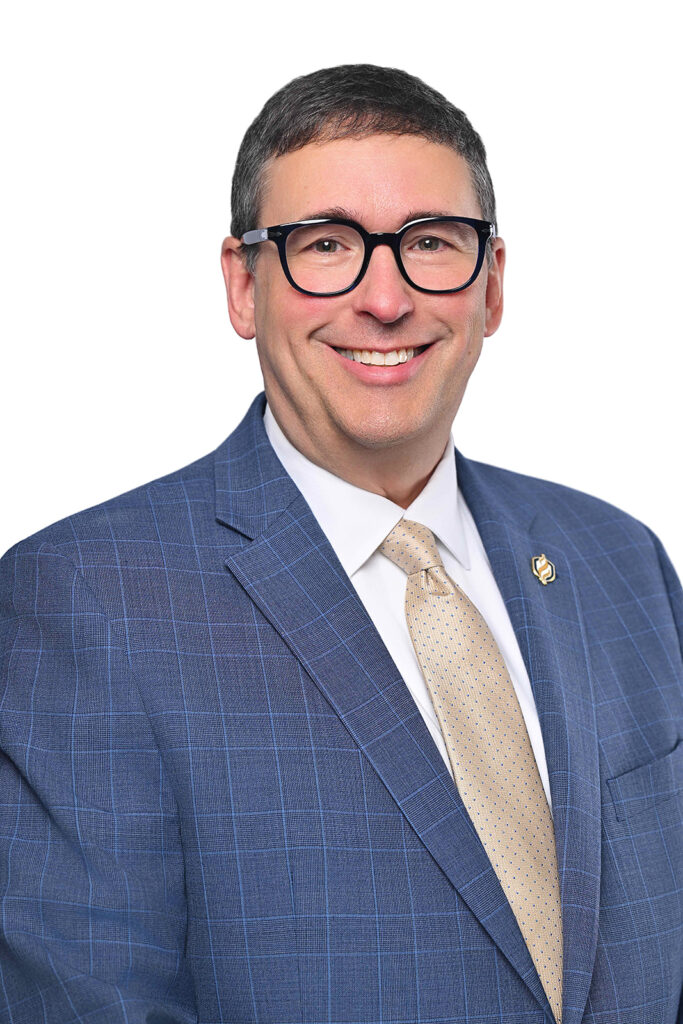
Every so often someone asks me what accreditation is actually for. It is a fair question, and it deserves a better answer than the one people usually get.
Accreditation is how higher education holds itself accountable. It is not a government program, not a ranking, and not a seal an institution buys and displays. It is a group of colleges and universities agreeing on what they owe their students — and then agreeing to let each other check.
That arrangement is unusual, and I believe it is worth defending. But it is only worth defending if we take it seriously. An accreditation that asks little of institutions is worth little to students. Standards no one enforces are not standards. If we want people to trust that a degree means something, we have to be able to show why.
In my travels, I’ve seen how seriously our member institutions take their obligations to students. What stays with me isn’t the facilities or the enrollment numbers – it’s the faculty members doing real work to connect their students to their field. It’s the provost who could name exactly which students were finishing, which ones weren’t, and why. That’s the work accreditation exists to support, and it’s why I think asking hard questions is a form of respect rather than an imposition.
What that conviction means for how we work is straightforward. We ask institutions to show us evidence, not intentions. We send peers — faculty and administrators who do the same work at their own institutions — to look closely and say plainly what they find. And we hold ourselves to what we ask of others: our standards are published, our decisions are public, and we are reviewed just as our member institutions are.
I do not think accreditation should feel like something an institution survives every few years. At its best, it is the occasion an institution uses to ask hard questions about its own work — the kind that are easy to postpone when no one is asking. The institutions that get the most out of this process are the ones that treat it that way, and in my experience they are also the ones that need it least.
Our members are as different as American higher education itself — research universities and community colleges, HBCUs, religious institutions and seminaries, institutions that have stood for two centuries and institutions that opened last decade, campuses of 50,000 and campuses of 500. What they share is a willingness to be held to something.
To our member institutions: thank you for that willingness. It is the whole basis of this work.
To students, families, and everyone who relies on the credential at the end: our job is to make sure it means what it says. We take that seriously, and we welcome being asked how we are doing at it.
Be Bold. Stay Gold.
Stephen L. Pruitt, Ph.D.
President